Shell and Tube Heat Exchange

Shell and Tube Heat Exchange

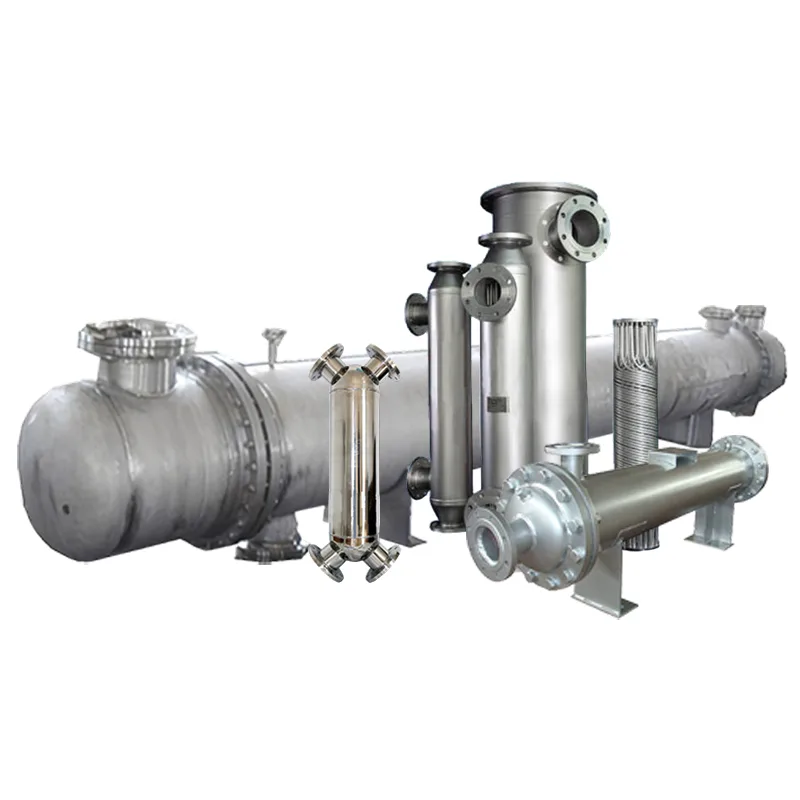
Shell and tube heat exchangers are the most widely used type of heat exchanger. It is mainly composed of a shell, tube sheets, heat exchange tubes, end heads, baffles, etc. The required materials can be made of ordinary carbon steel, red copper or stainless steel respectively. During heat exchange, a fluid enters from the connecting pipe of the head, flows through the pipe, and exits from the outlet pipe at the other end of the head. This is called the tube pass. Another fluid enters through the connecting pipe of the shell and flows out from another connecting pipe on the shell, which is called the shell side.

  • Product Description
  • Application
  • Cases
  • FAQ
  • Working principle of tubular heat exchangers

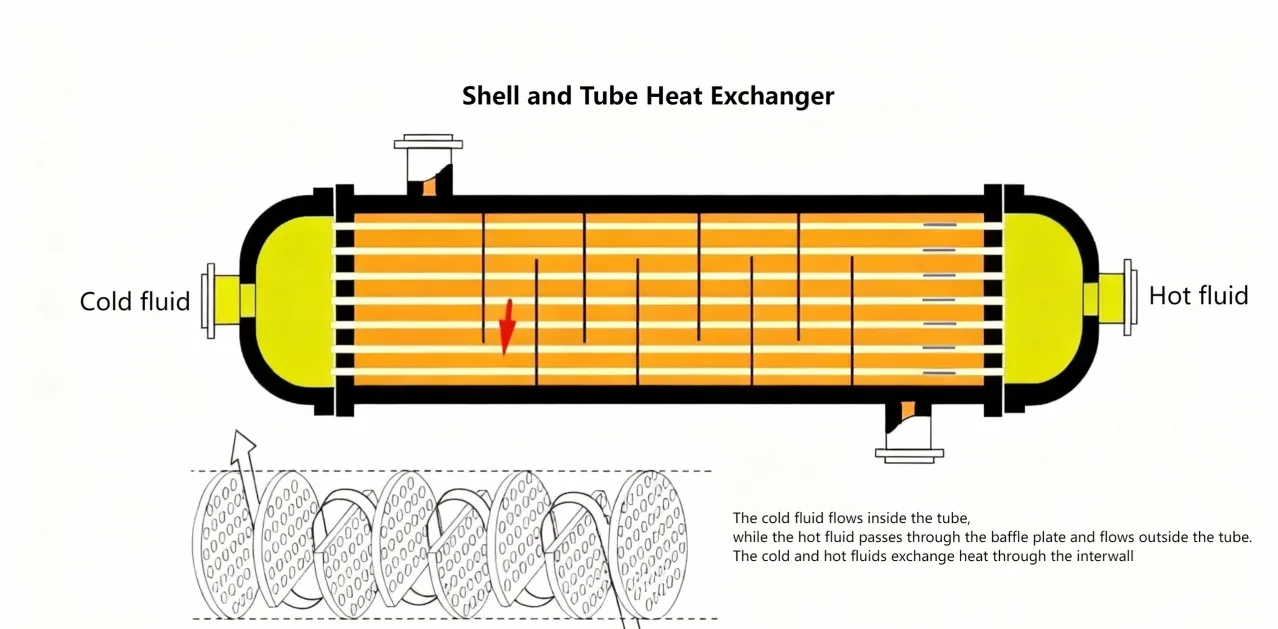
    Two fluids of different temperatures flow respectively in the shell side and the tube side. The hot fluid bends through the tube bundle in the shell side, transferring heat to the tube wall. The cold fluid flows inside the pipe, absorbing heat from the pipe wall. The tube wall serves as the heat transfer surface to achieve heat exchange, while the two fluids do not mix with each other. This design is structurally robust and suitable for high-pressure and high-temperature working conditions.
    /uploadfile/202512/a8322028c99b366.png
  • Shell and tube heat exchanger structure

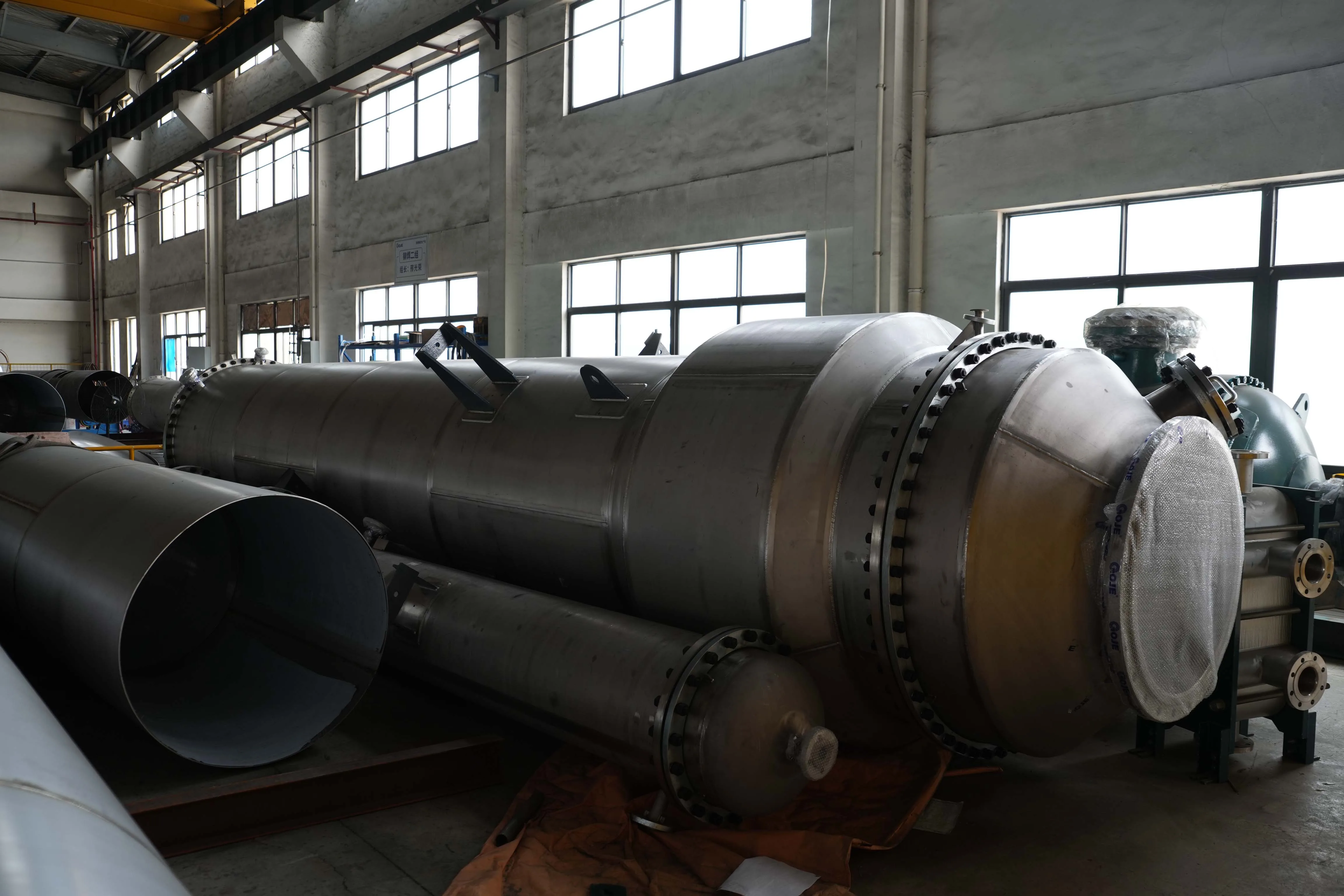
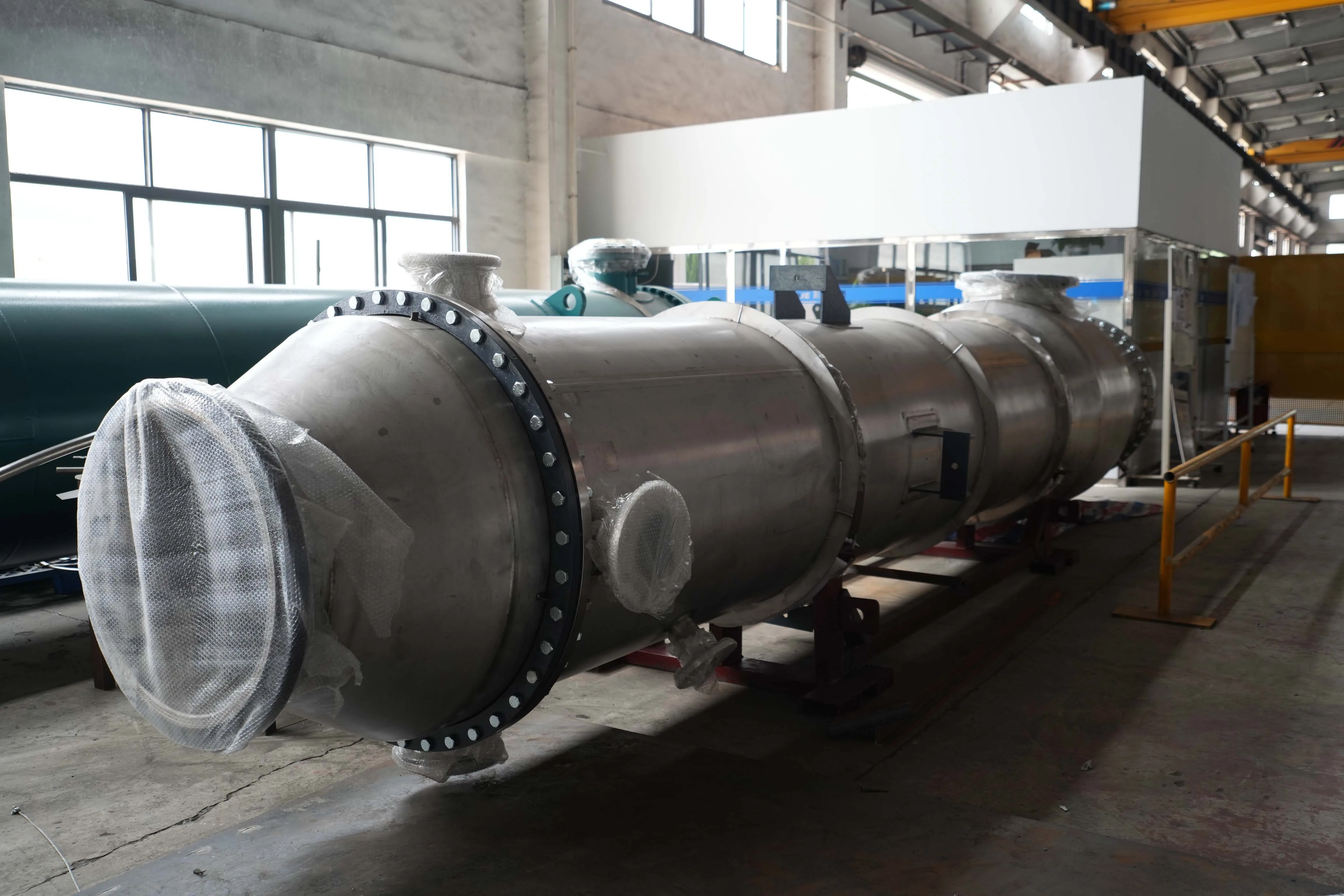
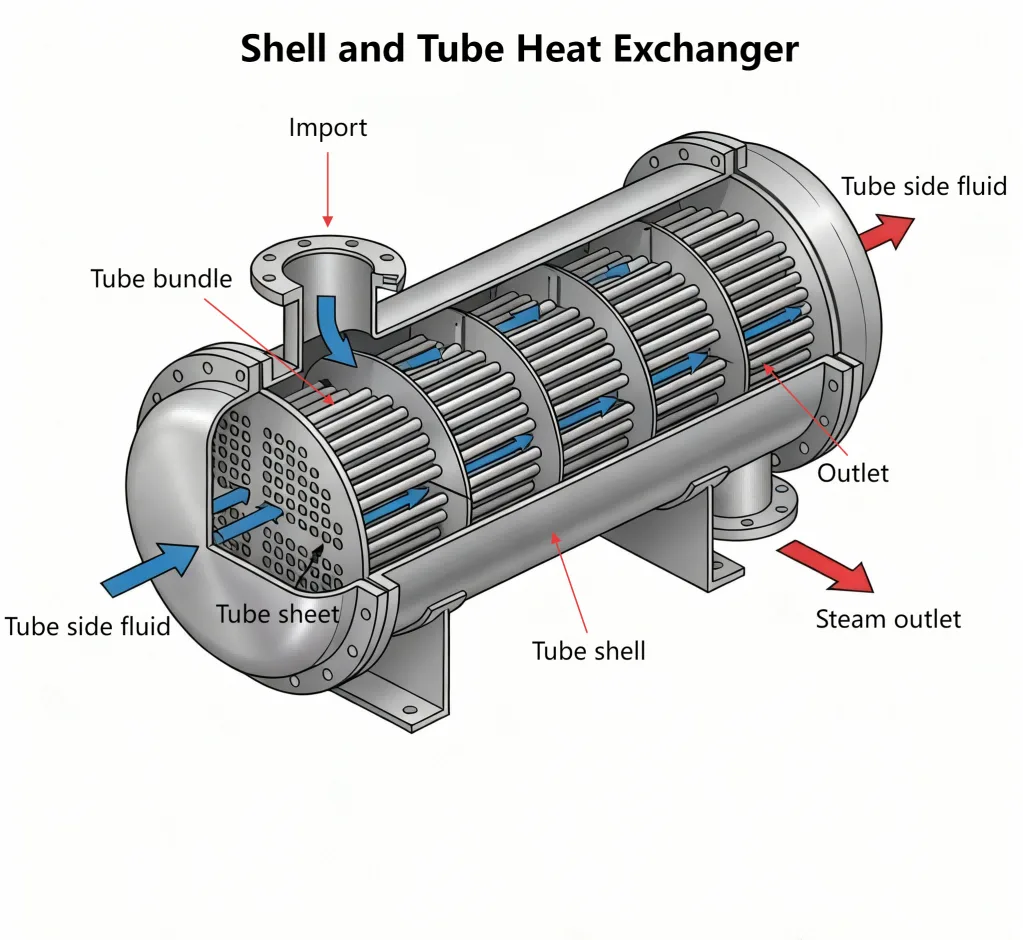
    The shell and tube heat exchanger is composed of components such as the shell, heat transfer tube bundle, tube sheet, baffle plate (baffle) and tube box. The shell is mostly cylindrical in shape, with tube bundles installed inside. The two ends of the tube bundles are fixed on the tube sheets.

    The two fluids that undergo heat exchange, hot and cold, one flows inside the tube and is called the tube side fluid. Another type flows outside the tube and is called shell-side fluid. To enhance the heat transfer coefficient of the fluid outside the tube, several baffles are usually installed inside the shell.

    Baffles can increase the fluid velocity in the shell side, forcing the fluid to pass laterally through the tube bundle multiple times along the prescribed path and enhancing the degree of fluid turbulence.

    The heat exchange tubes can be arranged in equilateral triangles or squares on the tube sheet. The equilateral triangular arrangement is relatively compact, the turbulence degree of the fluid outside the tube is high, and the heat transfer coefficient is large. The square arrangement makes it convenient to clean the outside of the tube and is suitable for fluids that are prone to scaling.
    /uploadfile/202512/a6ddf19950be5c.png
  • Selection of tube and shell sides

    Unclean, easily scaling and corrosive fluids should be conveyed through the tube side to prevent simultaneous corrosion of the tube bundle and the shell, and to facilitate cleaning and maintenance.

    Fluids with high pressure should pass through the tube side to avoid simultaneous pressure on the shell.
    Toxic fluids should be passed through the pipe side to reduce the chance of leakage.

    The cooled fluid should preferably pass through the shell side, which facilitates heat dissipation and enhances the cooling effect.

    Saturated steam is advisable to pass through the shell side, which facilitates the discharge of condensate and non-condensable gas, and the steam is clean and non-polluting.

    Fluids with low flow rate or high viscosity are suitable for the shell side. Due to the effect of the baffle plate, turbulence can be achieved at a low Reynolds number (Re > 100).

    If the temperature difference between the two fluids is large, it is advisable to let the fluid with a greater α flow through the shell side to reduce the temperature difference between the tube wall and the shell wall.
    /uploadfile/202512/ba4bf03c29b0fb6.png
  • Difference between plate heat exchangers and shell-and-tube heat exchangers

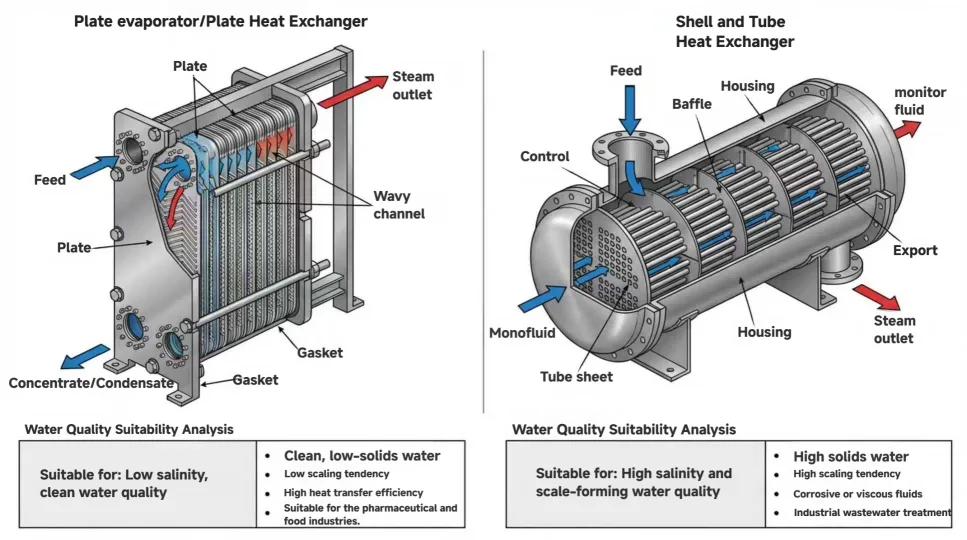
    The main difference between plate heat exchangers and shell-and-tube heat exchangers lies in their heat transfer efficiency, size, weight, and ease of disassembly and cleaning. Plate heat exchangers are suitable for low to medium pressure, relatively low temperature, and clean media conditions, such as air conditioning, domestic hot water, and general industrial heat exchange. Shell-and-tube heat exchangers, on the other hand, have a robust and reliable structure, capable of withstanding high temperature, high pressure, and dirty media. They are suitable for complex conditions such as petrochemical and power industries, involving high temperature, high pressure, solids, or scaling. Under the same conditions, their heat transfer efficiency is slightly lower and their size is larger, but their lifespan and applicability are wider. In general, plate heat exchangers are preferred for clean, low to medium pressure environments, while shell-and-tube heat exchangers are preferred for harsh, high-temperature, and high-pressure environments.
    /uploadfile/202512/51b972f08b4a599.png

Application

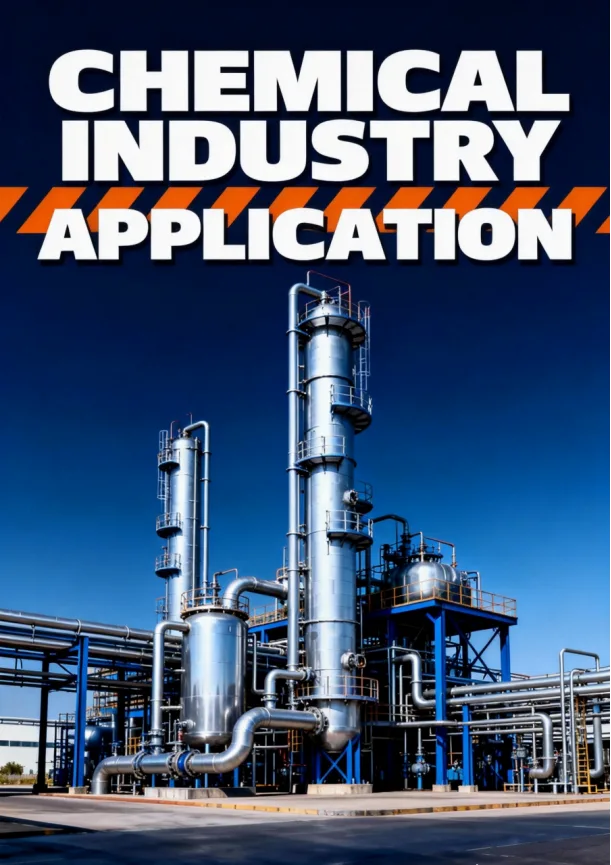
Chemical industry
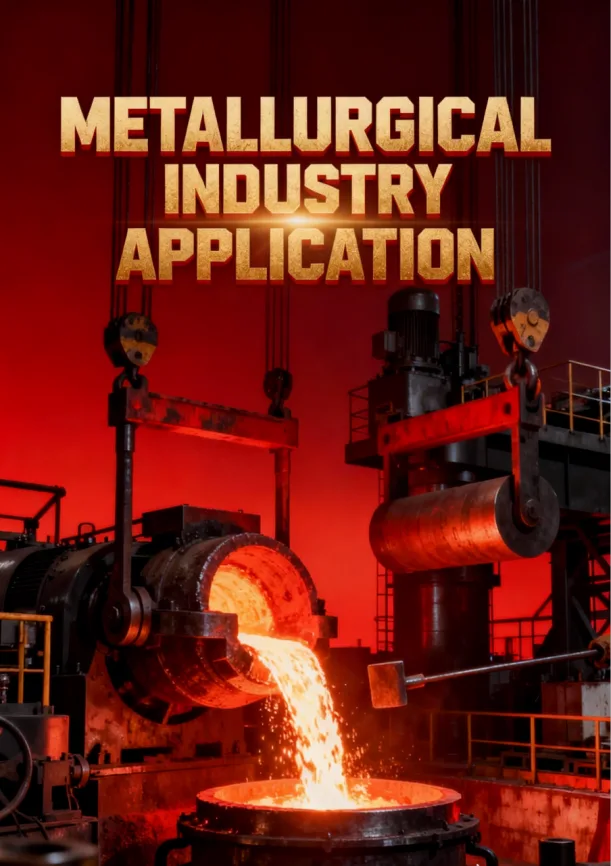
Metallurgical industry
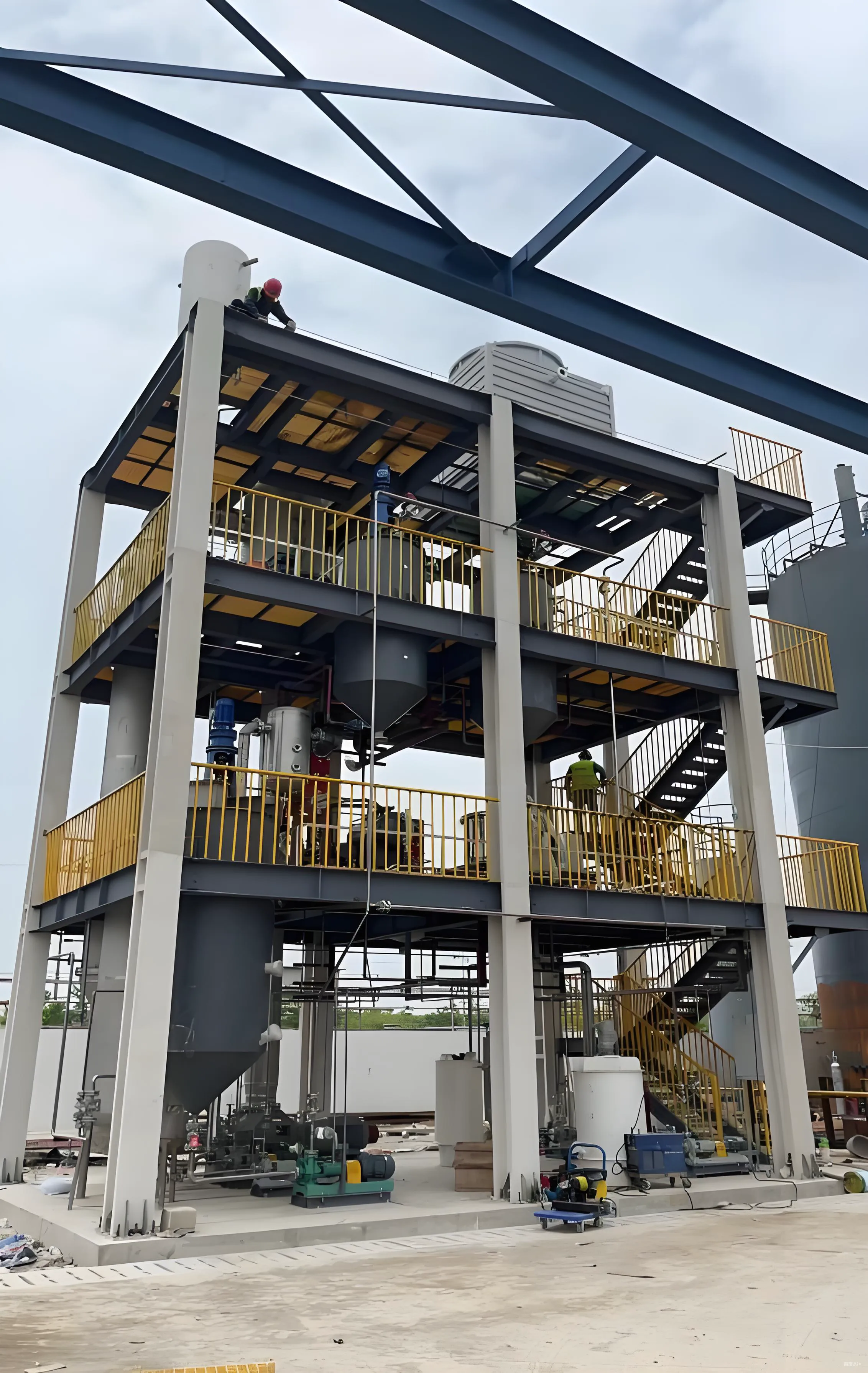
Fertilizer industry
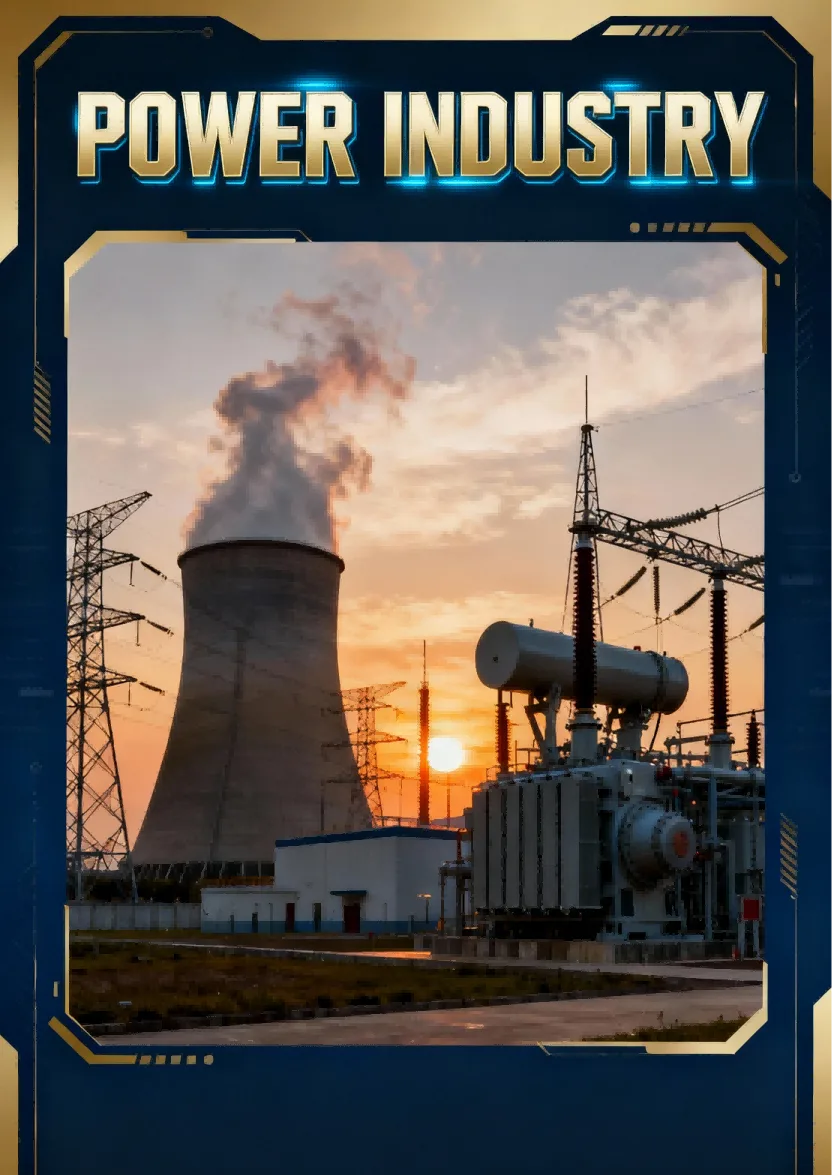
Power industry

FAQ

  • What is a Shell and Tube Heat Exchanger, and how does it work?

    +

    A Shell and Tube Heat Exchanger is a workhorse of industrial heat transfer. It consists of a large outer cylinder (the shell) and a bundle of tubes inside it. One fluid flows through the tubes (the tube side), while another fluid flows around the tubes within the shell (the shell side). Heat is transferred from the hotter fluid to the cooler one through the tube walls. Its robust and versatile design makes it suitable for a vast range of pressures, temperatures, and flow rates.

  • What are the main advantages of your Shell and Tube Heat Exchangers?

    +

    Our shell and tube heat exchangers are engineered for reliability and performance, offering key advantages:
    Robustness & High-Pressure Capability: Ideal for extreme pressures and temperatures that other exchanger types cannot handle.
    Proven Reliability & Long Service Life: Simple, time-tested design ensures dependable operation for decades with proper maintenance.
    Excellent Flexibility: We offer a wide range of customizations in design, materials, and baffle configurations to meet exact process needs.
    Ease of Maintenance: For removable bundle designs, the tube bundle can be pulled out for inspection, cleaning, or repair, minimizing long-term downtime.
    Effective Vapor Condensation: The shell side provides an ideal environment for condensing vapors.

  • What types of TEMA classifications and designs do you offer?

    +

    We manufacture exchangers according to Tubular Exchanger Manufacturers Association (TEMA) standards, including common types like:
    BEM: A fixed tubesheet design, cost-effective for clean services where tubes cannot be removed.
    AES: A floating head design, ideal for large temperature differences as it allows for thermal expansion and enables the tube bundle to be removed for cleaning.
    BEU: A U-tube design, where the tube bundle can expand freely, suitable for thermal cycling. The U-bend can be harder to clean mechanically.
    We will recommend the optimal TEMA type (and other standards like ASME) based on your thermal, mechanical, and maintenance requirements.

  • How do you address the issue of thermal expansion in your designs?

    +

    Thermal expansion is a critical design factor. We employ several strategies:
    U-Tube Bundles: The U-shaped tubes can expand and contract freely.
    Floating Head Designs: One end of the tube bundle is allowed to move independently of the shell.
    Expansion Joints: For fixed tubesheet (BEM) designs, we can incorporate an expansion bellows on the shell to absorb differential expansion.
    The best solution is determined during our engineering phase based on your operating conditions.

  • What materials do you use for tubes, tubesheets, and shells?

    +

    We provide a comprehensive selection of materials to ensure corrosion resistance and longevity:
    Tubes: Admiralty Brass, Stainless Steel (304, 316L), Copper-Nickel (70/30, 90/10), Titanium, Duplex Stainless Steel, and High-Nickel Alloys (Hastelloy, Inconel).
    Tubesheets & Shells: Carbon Steel, Clad Steel (e.g., CS with SS weld overlay), and various stainless steels.
    Material selection is based on the corrosiveness, pressure, and temperature of both the shell-side and tube-side fluids.

Hainan Yongtuo Win-Win International Technology Co., Ltd.

Request A Free Quote/24H Services/Professional solutions

Welcome to contact us at any time. We will provide you with project plans, quotation requirements and cost assessment

We'd love to hear from you.

Please leave a message, we will get in touch with you as soon as possible!

  • *We respect your privacy. When you submit your contact information, we agree to only contact you in accordance with our Privacy Policy.

Contact Us

Inquire