Fully welded plate heat exchanger

Fully welded plate heat exchanger

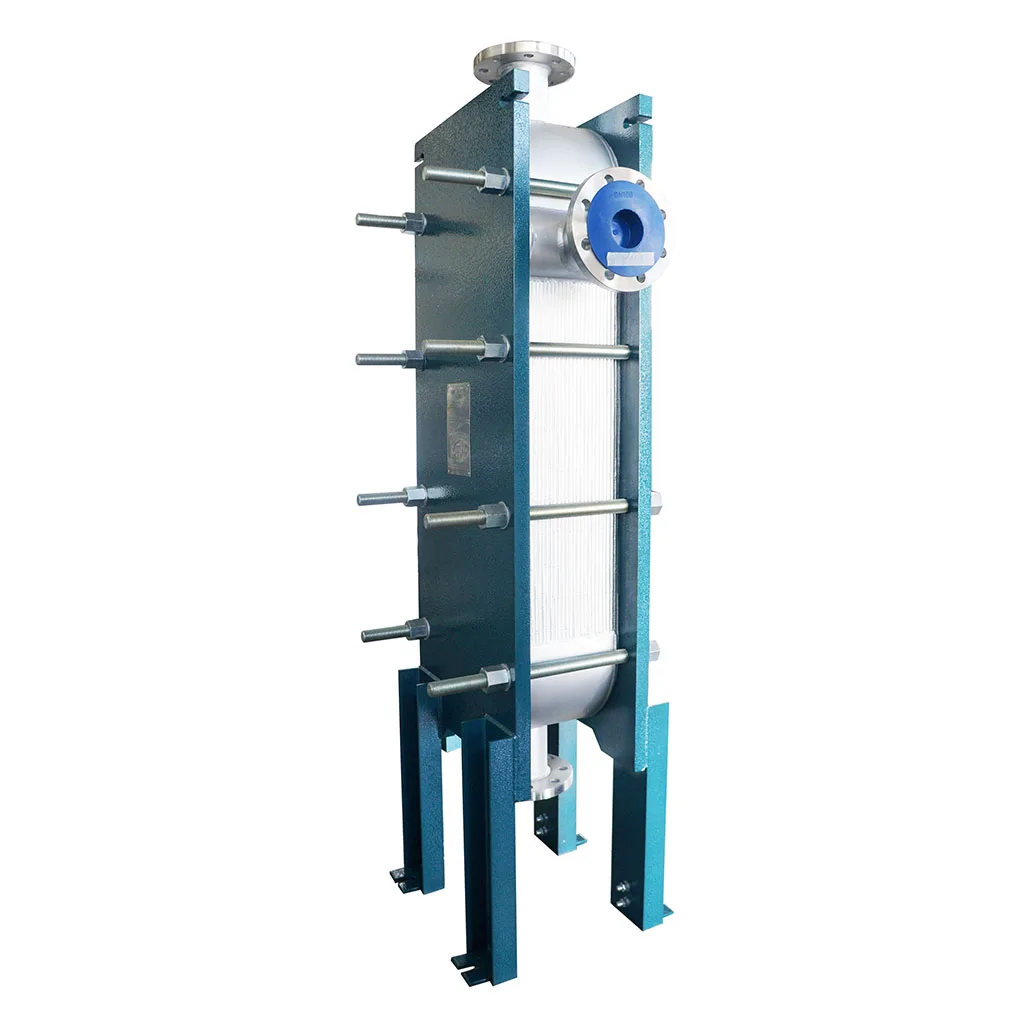
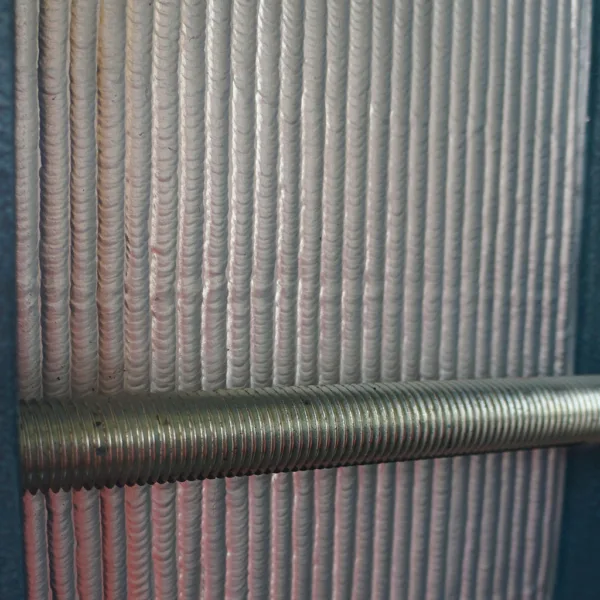
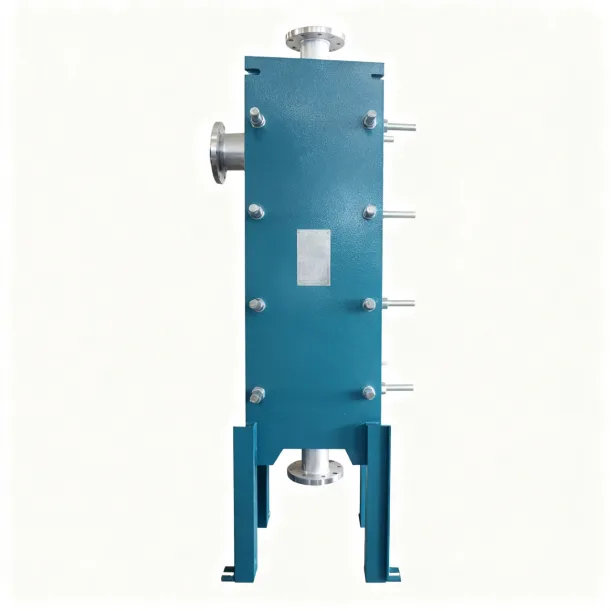
The fully welded plate heat exchanger has a corrugated plate structure similar to that of a plate heat exchanger, while employing a more advanced fully welded sealing process and a gasket-free design. With the selection of various metals and alloy materials, it ensures that the maximum operating temperature can reach 400℃ and the maximum operating pressure can reach 3.5Mpa.

  • Product Description
  • Specification and model
  • FAQ
  • Structure of the fully welded plate heat exchanger?

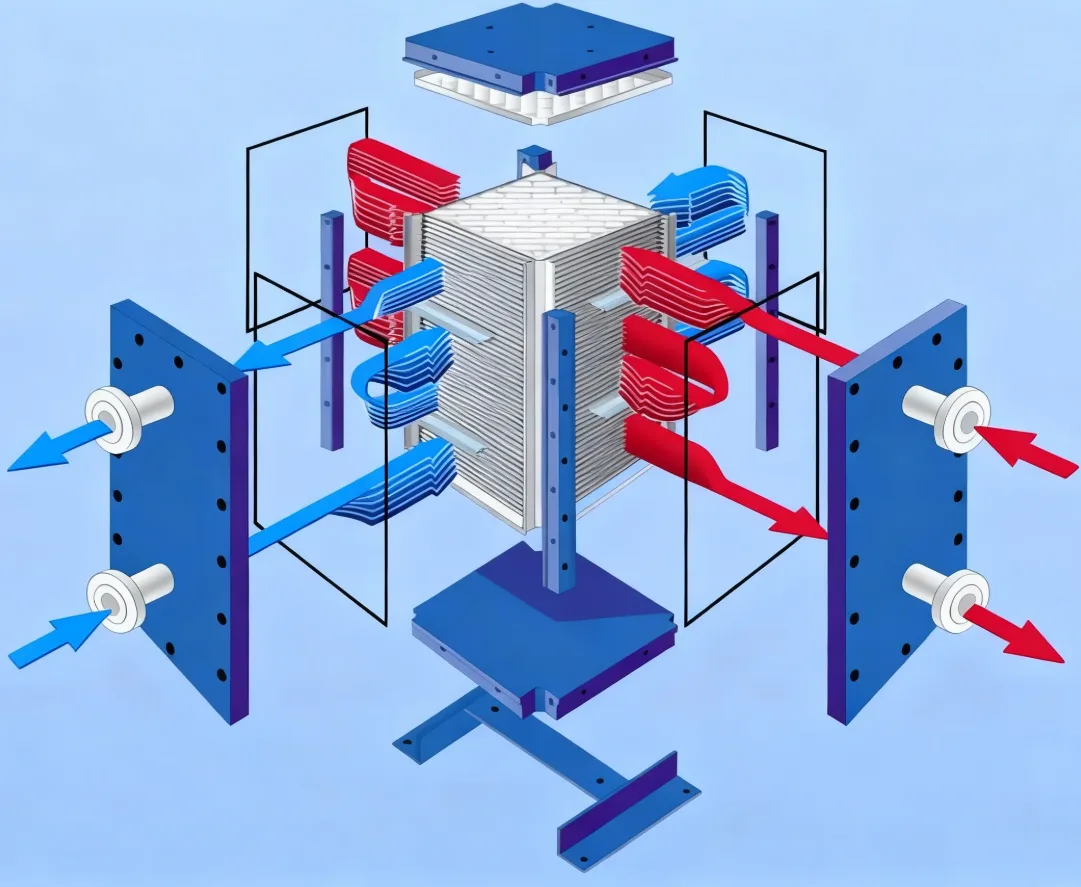
    A semi-welded plate heat exchanger consists of a series of metal plates, each featuring four corner ports that allow the passage of hot and cold media. During assembly, Type A and Type B plates are arranged alternately, forming a network of flow channels between them. Gaskets seal both media within the exchanger while effectively keeping them separated to prevent mixing. Within these channels, the cold and hot fluids flow in alternating passages, which can be configured for counter-flow or parallel-flow depending on requirements. As the fluids move through the unit, heat is transferred from the hot medium to the cold one through the plate walls, thus achieving the desired thermal exchange.

    /uploadfile/202512/2c1a98576e7066.png
  • Gasket structure of semi-welded plate heat exchangers

    The internal structure of a fully welded heat exchanger mainly consists of the following parts:
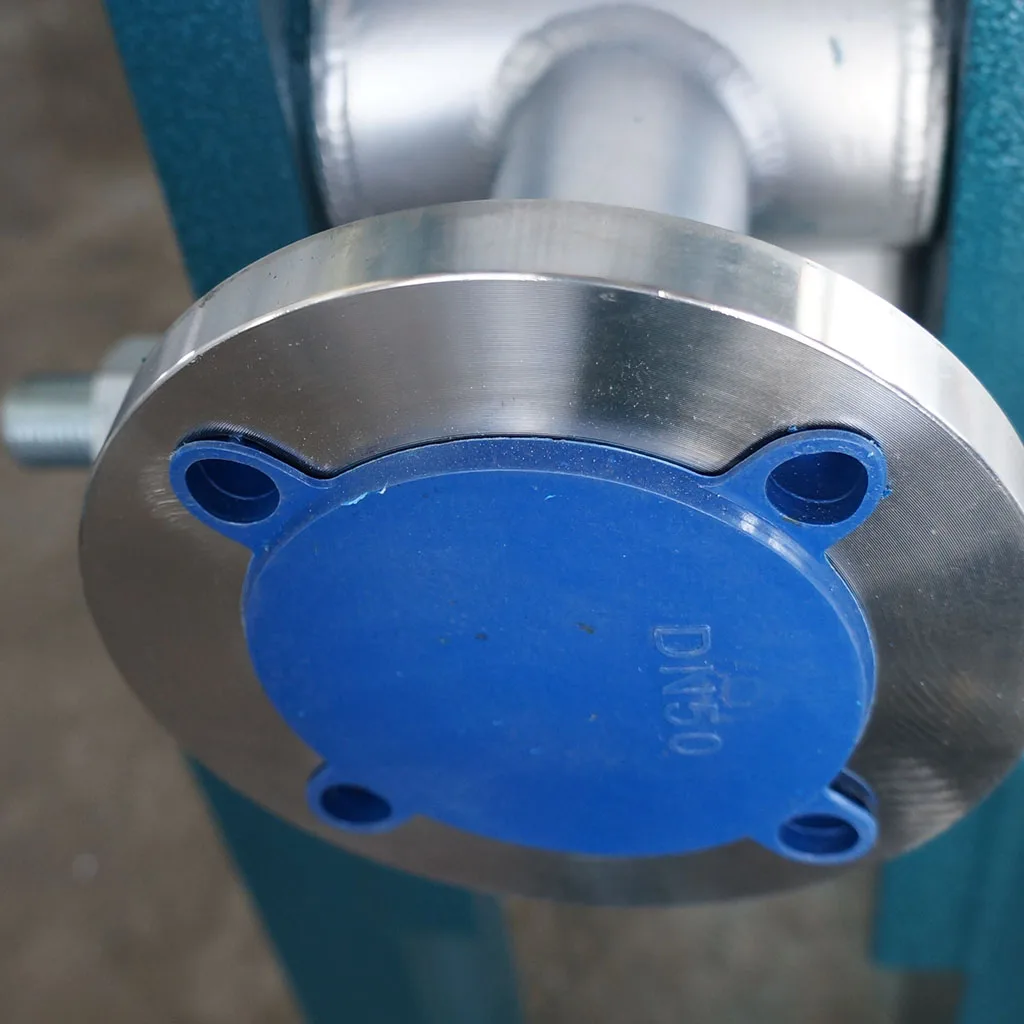
    Components such as heat exchange core body, semi-circular shell, compression plate, pressure-bearing plate, baffle plate, end plate, flange, clamping stud and bracket.
    Its structural form adopts a combination mode of wide and narrow channels, with wide channels used for materials and narrow channels for cooling media.
    According to work requirements, plates made of different metal materials can be provided, such as 304, 316L,
    /uploadfile/202512/da43c4175dbee35.png
  • What is a fully welded plate heat exchanger?

    Full welded plate heat exchangers feature a corrugated plate structure similar to plate heat exchangers, paired with advanced full-welded sealing and a gasket-free design.
    Available in a variety of metals and alloys, they support a maximum operating temperature of 400℃ and a maximum operating pressure of 3.5Mpa.
    With a compact structure, high heat transfer efficiency, and flexible usability, this new high-efficiency heat exchange equipment inherits the advantages of plate heat exchangers while overcoming the limitations of shell-and-tube models.
    /uploadfile/202512/077d18329168a8f.png

Material

Application

SS304

Drink water, None Corrosive Liquid, Oils, Fresh Steam etc.

SS316L

Well water, river water, closed circulating water and other water with complex components, Dilute sulfuric acid with temperature ≤ 50 ℃ and concentration ≤ 10% etc.

Titanium

Liquid that contains chlorine iron, Sea water etc.

Titanium Palladium Alloy

Higher temperature and corrosion resistance than titanium.

Nickel 20

It is mainly used for caustic solution (NaOH, Koh, etc.) with high concentration (50% ~ 70%) and high temperature (boiling point).

Hastelloy C-276

It has good corrosion resistance, almost not affected by Cl -, excellent corrosion resistance to various concentrations of
sulfuric acid, and is one of the few materials that can be used in hot concentrated sulfuric acid, widely used in organic acids
(such as formic acid, acetic acid), high temperature HF acid and a certain concentration of hydrochloric acid (< 40%), phosphoric
acid (< 50%); chloride, fluoride.

Advantages of fully welded plate heat exchangers over ordinary plate heat exchangers


Key Advantages vs. Competitors:

Compared to shell-and-tube heat exchangers: Higher heat transfer efficiency, smaller footprint, compact structure, lighter weight, strong adaptability, minimal heat loss, and cost-effectiveness.

Compared to traditional removable plate heat exchangers: Higher operating pressure, plus eliminates leakage risks and replacement hassle caused by heat-aged rubber gaskets.


FAQ

  • What is a Fully Welded Plate Heat Exchanger, and how is it different from a Gasketed Plate Model?

    +

    A fully welded plate heat exchanger is a robust heat transfer unit where the plates are permanently fused together into a core block using advanced welding techniques like laser welding. The most fundamental difference is that it contains no gaskets. This makes it ideal for demanding applications, completely eliminating the risk of leakage and downtime associated with gasket degradation, corrosion, or blow-out under high pressure or temperature swings.

  • When should I choose a Fully Welded Plate Heat Exchanger over a traditional Gasketed or Shell-and-Tube heat exchanger?

    +

    A fully welded plate heat exchanger is the superior choice when your operating conditions meet one or more of the following criteria:
    Demanding Media: Handles high temperatures (typically up to 350°C+) and high pressures (typically up to 4.0 MPa+).
    Corrosive or Hazardous Fluids: The media is corrosive, toxic, or flammable, making zero-leakage a critical safety requirement.
    Gasket Incompatibility: The process fluid degrades, dissolves, or damages rubber gaskets, or contains particles that can compromise gasket seals.
    Space Constraints: It offers a significantly more compact footprint than a shell-and-tube exchanger of equivalent duty.
    Reduced Maintenance: It minimizes downtime and maintenance costs by removing the need for periodic gasket replacement.

  • If it's fully welded, can it be cleaned? How do you address fouling and blockages?

    +

    This is a common concern, but cleanability is a key design feature. While the plate pack is welded, we employ intelligent designs to ensure effective maintenance:
    Openable Design Models: We offer models where one side of the plate pack can be opened for mechanical cleaning with high-pressure water, chemicals, or specialized tools.
    Removable Nozzles: For severe fouling, we can design units with removable connections for better access.
    Fouling-Resistant Design: We optimize channel geometry and flow velocity during the design phase to minimize the risk of scaling and fouling from the start.

  • What materials are your Fully Welded Plate Heat Exchangers made from? Can they handle corrosive environments?

    +

    We provide a wide range of material options to suit aggressive media. Beyond standard 304 and 316L stainless steel, we can manufacture plates from:
    High-Performance Alloys: Including Hastelloy® (C-22, C-276), Monel®, Inconel® (600, 625), and Titanium.
    Specialty Stainless Steels: Such as SMO 254 and 904L.
    Our engineering team can recommend the most cost-effective and durable material based on your specific fluid composition, temperature, and concentration.

  • How efficient is a Fully Welded Plate Heat Exchanger compared to a Shell-and-Tube exchanger?

    +

    Fully welded models retain the high thermal efficiency inherent to plate-type exchangers. The corrugated plates create intense turbulence, resulting in a heat transfer coefficient that is typically 2 to 4 times higher than that of a shell-and-tube unit. This means our exchangers are far more compact and lightweight, often requiring less heat transfer surface area, which can lead to lower capital and installation costs.

Hainan Yongtuo Win-Win International Technology Co., Ltd.

Request A Free Quote/24H Services/Professional solutions

Welcome to contact us at any time. We will provide you with project plans, quotation requirements and cost assessment

We'd love to hear from you.

Please leave a message, we will get in touch with you as soon as possible!

  • *We respect your privacy. When you submit your contact information, we agree to only contact you in accordance with our Privacy Policy.

Contact Us

Inquire