Home
Home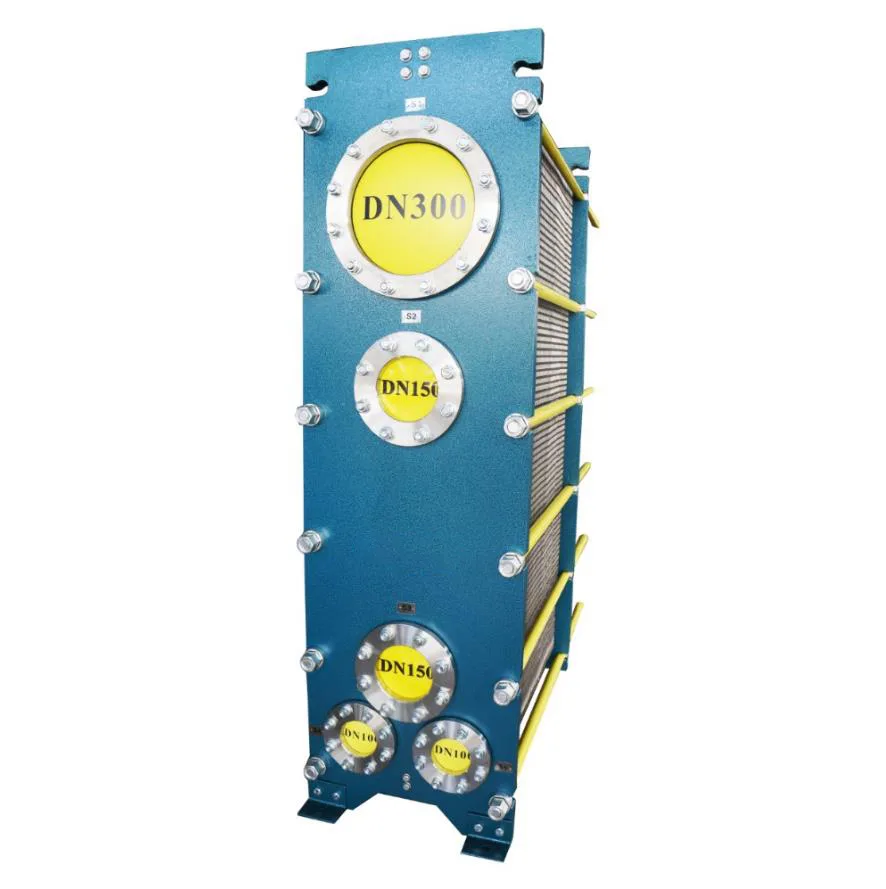
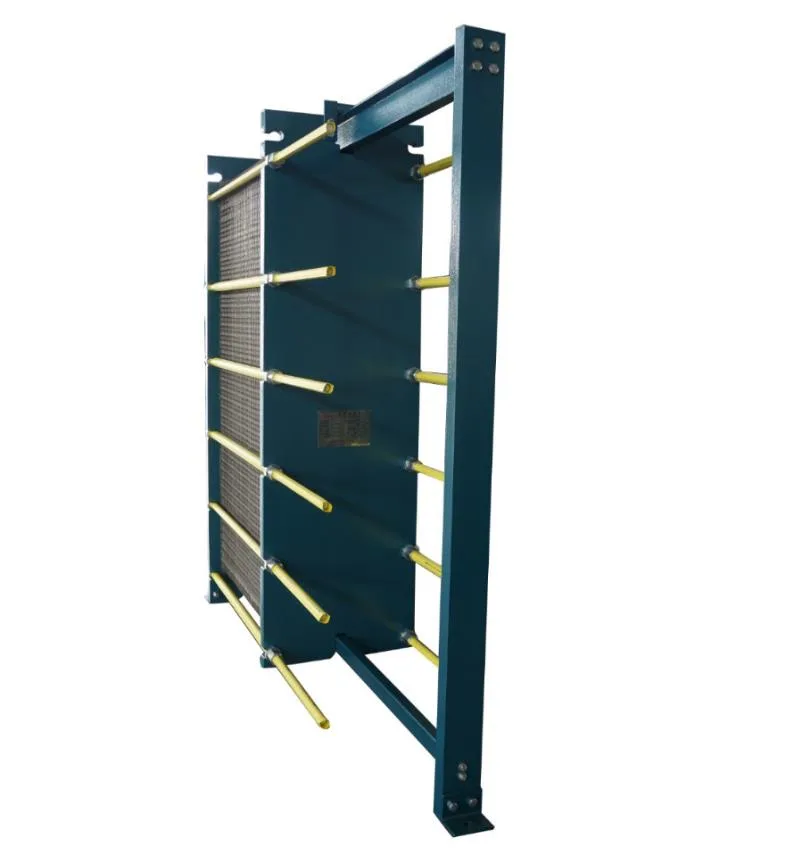
- Product Description
- Application
- Relevant cases
- FAQ
-
What is a plate condenser?
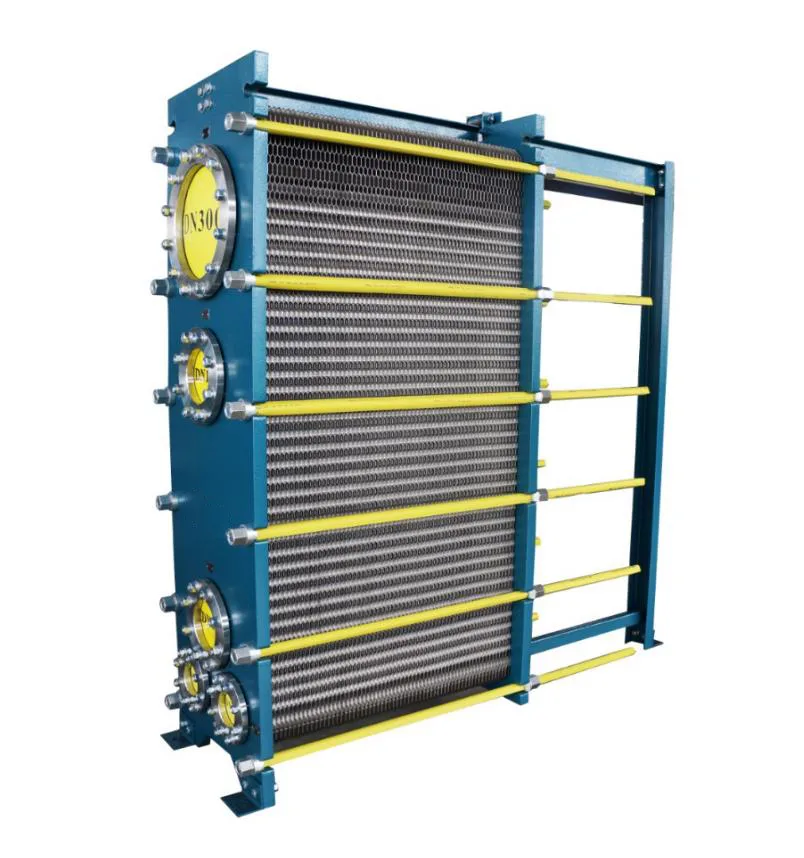
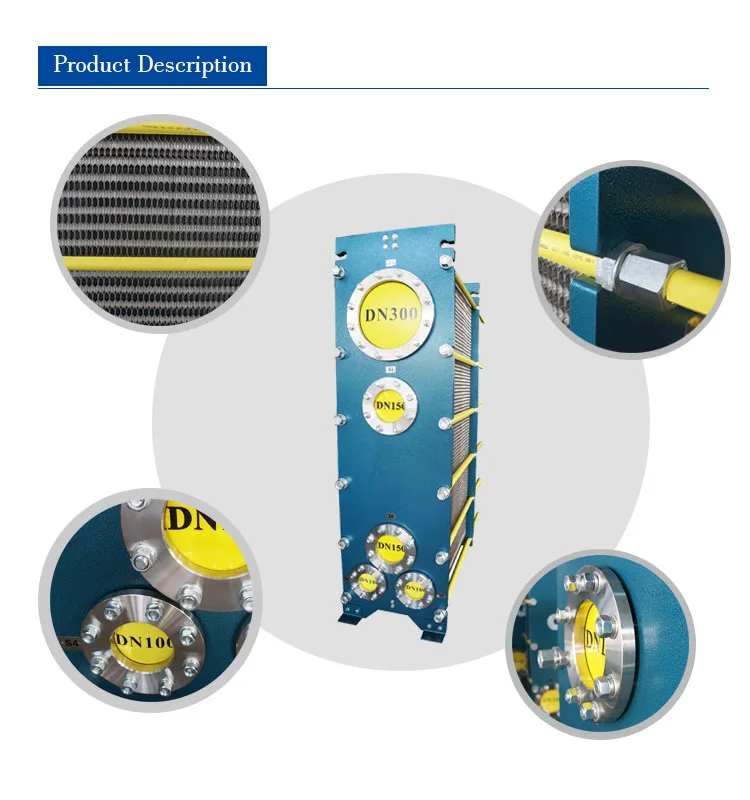
Plate condensers are specialized equipment used for condensing steam in evaporation or distillation systems. They are based on semi-welding technology and consist of special plate groups and gaskets. During operation, the cooling medium flows and heats up in the channel with a gasket, while the steam condenses in the welding channel on the other side. This equipment is equipped with a large-sized steam inlet and a small-sized condensate outlet.
-
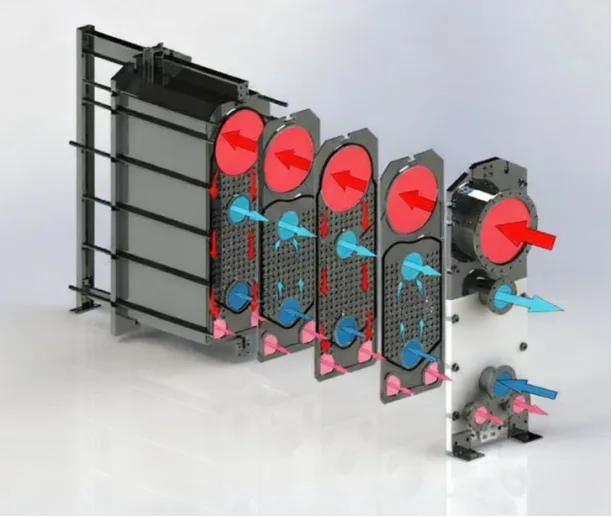
Working principle of the plate condenser
The plate condenser significantly enhances the influence of flow rate on condensation heat transfer through narrow flow channels and top-down steam flow. When steam flows in the same direction as the liquid film, the force will thin the liquid film and enhance heat transfer. When reversed, it thickens the liquid film and deteriorates heat transfer. However, once the force exceeds gravity, the liquid film is carried away from the wall surface, and the heat transfer coefficient will increase sharply. This design not only enhances heat transfer but also achieves low pressure drop and smooth discharge of condensate.
-
Characteristics of Plate Condenser
1)The addition of vertical ribs on the plates aims to achieve a dual effect: one is to form unequal flow channels, and the other is to significantly enhance heat exchange efficiency by creating turbulence.
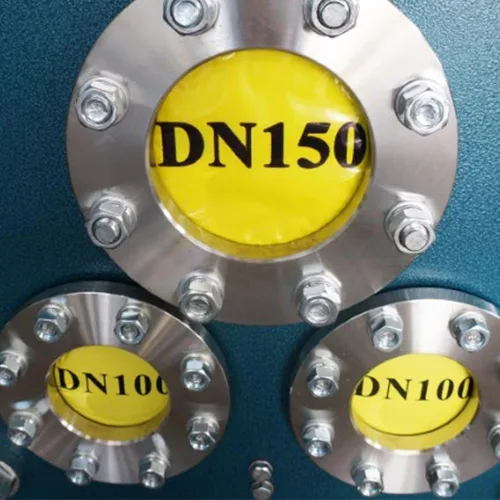
2) After the diameter of the opening on the steam side was increased to 700mm, reinforcing ribs were set around it to compensate for the weakened rigidity of the plate. Empirical calculations and hydrostatic tests confirm that this design can meet the rigidity requirements.
3) The chocolate flow diversion zone is formed by using completely symmetrical mesh flow guide blocks. Its advantage lies in that it can force the fluid to be distributed throughout the entire heat transfer area. Meanwhile, the design of symmetrical node superposition also provides effective rigid support for the plates, ensuring the stability of the wide flow channels.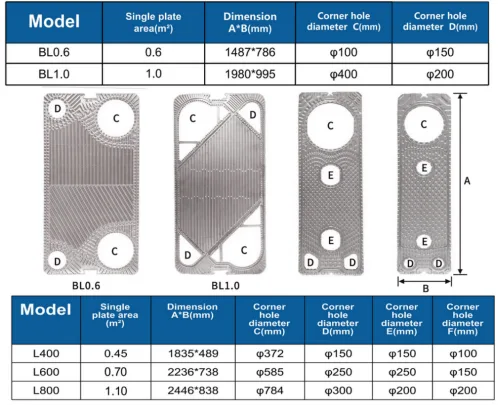
-
Advantages of Plate condensers
1) Performance advantages: Compared with the tubular type, the plate condenser has a better structure under the same working conditions (more compact, lighter, and lower cost), and due to the smaller flow channel equivalent diameter, its heat exchange capacity (Q), heat exchange capacity per unit area, and heat transfer coefficient (K) are significantly increased by 16.79%, 76.63%, and 89.11% respectively, showing great potential for substitution.
2) Design features: In addition to the common advantages of plate heat exchangers such as high efficiency, light weight, compness, easy cleaning, and high elasticity, it also features unique designs like low resistance, low pressure drop, inclined corrugations, wide channels, and large connecting pipes. These designs not only enhance the heat transfer coefficient but also effectively control the water pressure drop for cooling.
3) Application value: Widely applied in various evaporation steam condensation processes, it can recover cooling water and significantly reduce costs. Its applicable scenarios include the condensation of low-pressure steam, secondary steam, fractionation systems, small power plants, and light fuels such as jet fuel. It has a remarkable effect in replacing traditional mixed condensers, with outstanding economic and environmental benefits.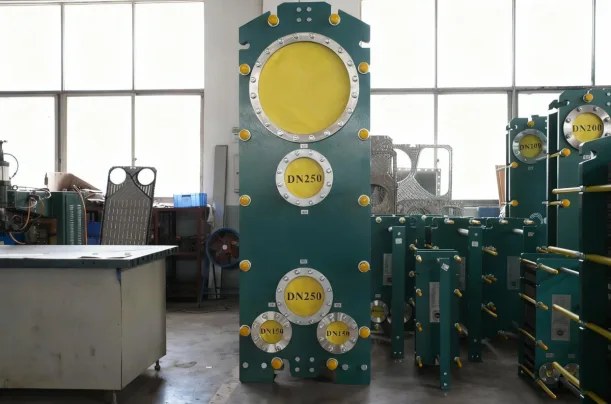
Application
-

Energy industry
-

Chemical industry
-

Metallurgical industry
-

Petroleum industry


Hainan Yongtuo Win-Win International Technology Co., Ltd.
Request A Free Quote/24H Services/Professional solutions
Welcome to contact us at any time. We will provide you with project plans, quotation requirements and cost assessment
-

-

-

-

Room 5091, Block A, Building 1, Phoenix Island, Sanya Central Business District, Tianya District, Sanya City, Hainan Province